How to Choose the Right Window and Door for Your Home?
Choosing the right window and door for your home is a significant decision. It impacts both aesthetics and energy efficiency. According to window and door expert, David Miller, "A well-chosen window and door can transform a space, both inside and out." This highlights the vital role these fixtures play in home design.
When selecting windows and doors, you must consider various factors. Style, material, and insulation properties are essential. For instance, wooden frames offer warmth but may require maintenance. On the other hand, vinyl is durable and low-cost but may lack the same charm. Missteps in choosing can lead to regrets, especially in terms of energy bills.
Additionally, think about your local climate. In colder regions, triple-glazed windows may be a must. However, in warmer areas, quality doors that block heat are crucial. It can be easy to overlook these details amidst overwhelming choices. Investing time and effort into this decision pays off in the long run.
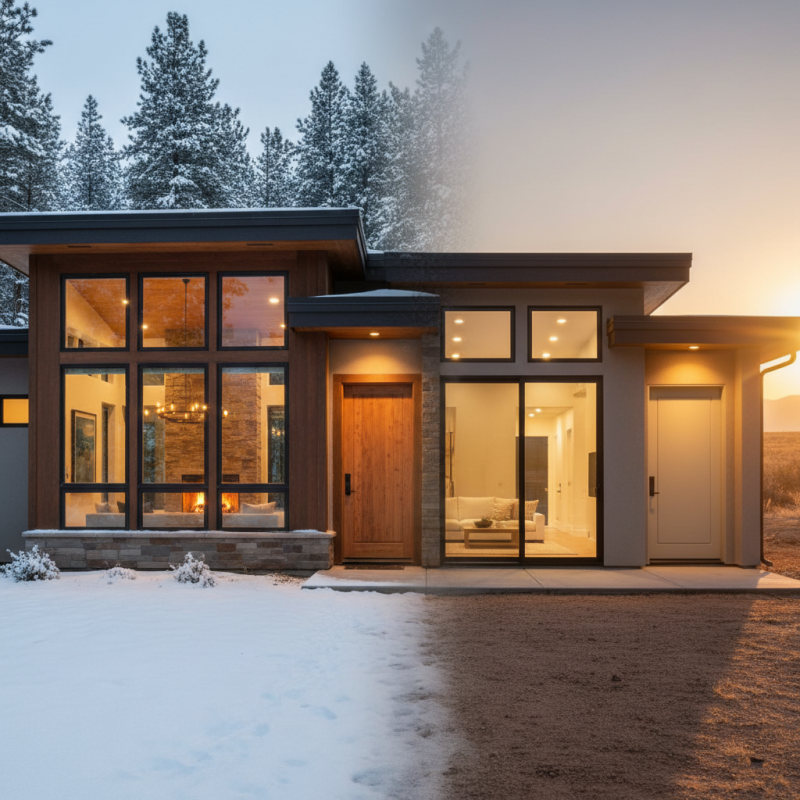
Factors to Consider When Choosing Windows for Your Home
Choosing the right windows for your home can be a daunting process. Consider your climate. Windows must withstand heat, cold, and moisture. For warmer areas, think about energy-efficient glass to keep your home cool. In contrast, cold climates benefit from insulated windows to retain heat. These choices can impact your comfort and utility bills.
Next, evaluate the aesthetics. Windows come in various shapes and sizes. You might prefer a classic look or something more modern. It’s crucial to choose windows that complement your home’s style. Assess your neighborhood too. Keep the appearance harmonious to maintain value.
Do not overlook the practical aspects. Easy-to-operate windows are essential for safety and maintenance. Pay attention to cleaning details; some designs can make this a hassle. Finally, consider installation. Proper fitting can prevent drafts, leaks, and further damage down the road. It can be easy to overlook these factors in the excitement of selection. Take your time, reflect on your choices, and ensure they fit your lifestyle.
Understanding Different Window Styles and Their Benefits
Choosing the right window style for your home can significantly impact its appearance and energy efficiency. Consider double-hung windows. They have two sashes that slide up and down. This style is practical for easy cleaning and allows good airflow. Bay windows extend outward, creating more interior space. They also provide better views and natural light.
Sliding windows are another option. They open horizontally, making them great for areas with limited space. They can be a bit challenging to clean, depending on the design, which might cause some homeowners to reconsider. Picture windows offer expansive views but are fixed. They don’t open, limiting ventilation. This is an important factor for some.
Consider the materials as well. Vinyl is low maintenance but might not have the charm of wood. Wood windows provide a classic look but require more upkeep. Take time to think about your needs and preferences. Reflect on how each style interacts with your home’s aesthetics and functionality. Each window type has benefits and drawbacks, and it’s vital to find the right balance.
Key Features to Look for in Exterior Doors
When choosing exterior doors, consider security, style, and energy efficiency. A solid door offers better protection. Look for multi-point locking systems. This additional security can be crucial, especially in urban areas. Ensure that the door is made from durable materials. Steel or fiberglass options typically last longer. A wooden door can provide elegance but may require more maintenance.
Energy efficiency is essential for comfort and cost savings. Check for an Energy Star rating. A well-insulated door helps maintain a stable indoor temperature. This can cut energy bills and reduce your carbon footprint. Windows should also match the door's performance. Whether you want sliding, double-hung, or casement windows, they're all pivotal choices.
Style is personal but visualize how the door integrates with your home's architecture. Bold colors can make a statement. However, don’t overlook how it affects curb appeal. Consider neighbors’ styles too. Sometimes a mismatched door can feel out of place. Reflect on your lifestyle. A heavy door might be tough for elderly family members. Design choices should serve practical needs alongside aesthetics.
Key Features to Look for in Exterior Doors
Energy Efficiency Ratings and Their Importance
When selecting windows and doors for your home, energy efficiency is a critical factor. Energy efficiency ratings help homeowners understand how much energy a product will consume. According to the U.S. Department of Energy, a typical home loses about 30% of its heating energy through windows and doors. Choosing products with a good energy rating can reduce these losses significantly.
Look for the ENERGY STAR label. This indicates that a product meets strict energy efficiency guidelines. Studies show that ENERGY STAR certified windows can save homeowners an average of $126 to $465 a year on energy costs, depending on their climate and home characteristics. However, not all energy-efficient options perform equally. Some may have features that are not needed for your specific environment.
Consider insulation and air leakage ratings as well. Windows with a lower U-factor indicate better insulation. A study from the National Fenestration Rating Council highlights that improving window performance could lead to up to a 15% reduction in overall energy use. Ensure your choices align with your home's unique needs. Balancing cost and efficiency without compromising your comfort can be challenging. It's essential to research carefully.
Budgeting for Your Window and Door Installation Costs
Budgeting for window and door installation can be tricky. You need to consider various factors, like materials and styles. It's also essential to think about labor costs. Hiring skilled professionals often means higher expenses. Yet, DIY options might save money but can lead to mistakes.
Before starting, create a detailed list of your needs. Consult with experts to get an accurate estimate. Prices vary significantly depending on size and type. Sometimes, the most beautiful choices can stretch your budget too far. It’s easy to get tempted by attractive designs.
Don’t forget about additional costs like permits or taxes. Often overlooked, these can inflate your budget. Lastly, always allow for unexpected expenses. Hidden issues may arise once you start the installation. A well-planned budget might save stress later, even if it feels overwhelming now.
 English
 Español de México